
The Role of Luck in Gambling
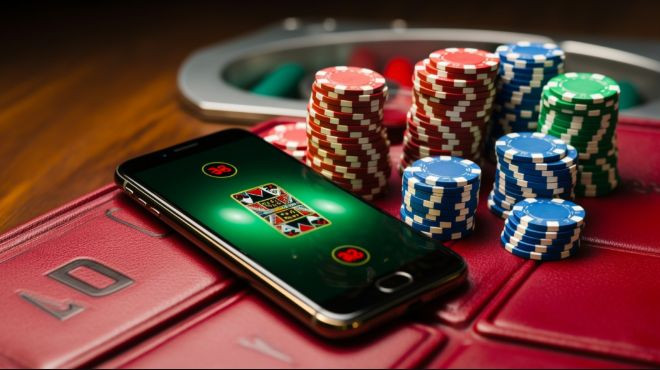
The world of gambling is often perceived as a realm where luck reigns supreme, creating exhilarating highs and gut-wrenching lows. Luck is that unpredictable force that can transform a routine bet into a life-changing win in the blink of an eye. For example, players at a roulette table may experience the thrill of a winning spin that seems entirely fortuitous, reinforcing the notion that luck is a powerful ally. Many also turn to various options, including betting apps , which enhance the excitement and accessibility of this element of chance, contributing to the allure of gambling and drawing many individuals into its captivating embrace.
However, luck can produce illusions, leading players to believe that their decisions have a significant impact on outcomes. A classic example is the phenomenon of “hot hands” in blackjack, where players may attribute their winning streaks to their own skill rather than the random distribution of cards. This misperception can be dangerous, as it may lead players to overextend their bets, relying on luck to carry them through. Recognizing the role of luck is essential, as it can help gamblers maintain perspective and approach the game with a balanced mindset.
Despite its undeniable impact, luck is ultimately a temporary state in gambling. The house edge is designed to ensure that, over time, the odds favor the casino. This reality emphasizes the importance of understanding that while luck can provide short-term victories, a sustainable gambling experience is built on a solid strategy. Gamblers must learn to manage their expectations and exercise responsible bankroll management to navigate the unpredictable tides of fortune effectively.
The Importance of Strategy
In contrast to luck, strategy serves as the backbone of a successful gambling approach. A well-crafted strategy involves a deep understanding of the games being played, including the rules, odds, and potential outcomes. For instance, in poker, players can leverage game theory and probability to inform their betting decisions, optimizing their chances of success. This strategic foundation allows players to capitalize on any fortunate breaks that luck may provide while minimizing losses during less favorable times.
The house advantage in many casino games necessitates a strategic mindset. Players who are aware of this reality can develop tactics to enhance their play. Techniques such as bankroll management, strategic betting systems, and understanding game variance can extend a player’s ability to stay in the game longer and increase their potential returns. By approaching gambling with a calculated mindset, players can make more informed choices rather than relying solely on instinct or gut feelings.
Strategic thinking can also be nurtured through continuous learning and practice. Many gamblers take the initiative to study their games, engage with online communities, and analyze previous hands to improve their skills. This dedication not only sharpens their strategic capabilities but also fosters a more profound understanding of how to navigate the complexities of gambling. Over time, disciplined strategists can create a balanced approach that aligns with their personal gambling goals, ultimately leading to more consistent results.
The Balance Between Luck and Strategy
The relationship between luck and strategy in gambling can be likened to a delicate dance. While luck offers opportunities for success, strategy provides the framework for consistent, long-term play. Skilled gamblers recognize this interplay and consciously integrate both elements into their gameplay. For example, a proficient poker player may rely on luck to draw favorable cards but employs strategic thinking to read opponents and place calculated bets. This holistic approach increases the likelihood of sustained success in the gambling arena.
Moreover, the balance between luck and strategy extends beyond mere gameplay mechanics; it encompasses the psychological and emotional dimensions of gambling. Understanding the influence of luck can help players maintain a healthy perspective on both wins and losses. Those who lean too heavily on luck may find themselves facing disappointment during inevitable losing streaks, while strategic gamblers can manage their emotions more effectively, acknowledging that variance is an inherent part of the experience. Emotional resilience is crucial for avoiding impulsive decisions that could lead to further losses.
Incorporating both luck and strategy into a gambling approach encourages adaptability. Players who can adjust their strategies in response to changing circumstances—whether experiencing a winning streak or facing unexpected losses—are more likely to achieve favorable outcomes. Therefore, recognizing the interconnectedness of luck and strategy enables players to develop a holistic perspective on gambling, fostering growth and improvement in their skills over time.
The Psychology Behind Gambling Decisions
The psychology of gambling is a fascinating area that intertwines luck and strategy, influencing how players make decisions at the gaming table. Cognitive biases, such as the gambler’s fallacy, can cloud judgment and lead players to believe that past outcomes somehow dictate future results. This misconception can result in poor decision-making, as players may chase losses or make impulsive bets based on luck rather than employing strategic reasoning. Such psychological pitfalls can derail even the most seasoned players if they are not cognizant of their mental processes.

Emotions also play a significant role in the gambling experience. The thrill of winning can create an exhilarating rush, overshadowing rational thought and leading players to escalate their bets irresponsibly. Conversely, losing streaks can trigger frustration, prompting players to chase their losses through reckless betting. Recognizing these psychological influences is essential for developing a mindset that prioritizes strategic play over mere reliance on lucky outcomes. By maintaining emotional discipline, players can ensure that their strategies remain front and center in their decision-making processes.
Additionally, creating an environment conducive to gambling can positively influence both strategy and luck outcomes. Factors such as choosing the right time to gamble, finding a comfortable setting, and minimizing distractions can enhance focus and improve decision-making. By merging strategic preparation with an awareness of psychological influences, players can enrich their overall experience while navigating the unpredictable landscape of luck in gambling.
Conclusion and Final Thoughts on the Interplay
In conclusion, the intricate relationship between luck and strategy forms the foundation of the gambling experience. Both elements are crucial for achieving success and maximizing enjoyment in gaming. While luck can deliver unexpected wins that create excitement, strategy lays the groundwork for a more calculated and sustainable approach. Gamblers who understand and appreciate this balance are better equipped to navigate the highs and lows that accompany wagering.
The most successful gamblers are those who can adapt their strategies to account for the unpredictable nature of luck. By fostering a mindset that values both elements, players can adeptly navigate the complex gambling landscape. Emphasizing critical thinking, emotional regulation, and a commitment to ongoing learning ensures a well-rounded approach to gaming, leading to a more fulfilling experience over time.
As you embark on your journey through the world of gambling, remember that both luck and strategy play integral roles in shaping your experience. Whether you are a novice seeking entertainment or a seasoned player aspiring for mastery, understanding the intricate relationship between luck and strategy can greatly enhance your overall outcomes. Embrace the challenge ahead, and may your journey be filled with excitement, strategic insights, and fortuitous moments of luck.